Medical aircraft save lives every day. When ground transportation is too slow, these helicopters and planes swiftly transport patients to medical facilities. However, you can’t simply load medical equipment onto any plane without proper procedures. The entire cabin needs a complete overhaul. Engineers face a tough job turning regular aircraft into flying emergency rooms that actually work.
The Challenge of Limited Space
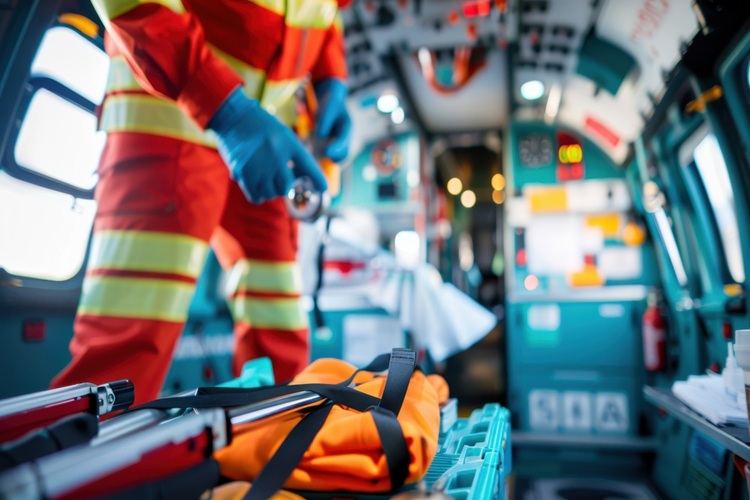
Take any aircraft cabin and try cramming in heart monitors, ventilators, and stretchers. Now add medical staff who need room to work. Engineers measure everything. Twice. They track weight down to the ounce because balance affects flight safety. A heavy ventilator in the wrong spot? That changes how the aircraft handles. Medical equipment must remain secure in turbulence. When turbulence strikes, no one wants an oxygen tank loose in the cabin. Power outlets go wherever doctors need them. Storage gets squeezed into odd corners.
Safety Standards Meet Medical Needs
Aviation rules don’t bend. Equipment must handle specific G-forces without breaking loose. Nothing can mess with the pilot’s instruments. Every material needs fire-resistance ratings. Then medical needs pile on top. Oxygen systems can’t just vent anywhere. Those medical gas cylinders? They need bombproof storage. Doctors must reach patients fast, even with all this gear bolted down. Engineers spend months testing solutions. They crash-test mounting systems. They shake equipment until something breaks, then strengthen it. It’s slow work, but lives depend on getting it right.
Power and Environmental Systems
Hospital equipment runs on clean, stable power. Aircraft electrical systems? Not so much. Engineers add converters, filters, and backup batteries. Then backup batteries for the backup batteries. A mid-flight ventilator failure is unacceptable.
Temperature is more important than you realize. Some patients can’t regulate body heat. Medical teams sweat through procedures in tight spaces. The cabin needs different climate zones: cool for working staff, warm for shock patients. Humidity control prevents condensation from damaging electronics. These systems work overtime, keeping everyone comfortable and equipment functioning.
Innovative Equipment Integration
Air medical equipment has come a long way. LifePort and similar companies build mounting systems that lock stretchers down tight while letting crews load patients fast. The gear fits aircraft as if it grew there, spreading weight properly and keeping walkways clear. Today’s setups change based on what’s needed. Heart attack victims need different equipment arrangements than car crash survivors. Modular designs let crews reconfigure the cabin between flights. Time saved during setup means patients get help sooner.
Communication and Monitoring Technology
These aircraft stay connected everywhere. Medical crews talk to hospitals while flying over mountains or oceans. Patient vitals stream to waiting doctors. Screen placement took years to perfect. Monitors sit where everyone can see them, but sunlight can’t wash them out. Special mounts absorb vibrations so heart rhythms display clearly. Bad data from a shaky monitor could lead to wrong treatments. Small details have big consequences up there.
The Human Factor
Machines don’t save lives; people do. Medical crews pull twelve-hour shifts in spaces smaller than most bathrooms. Good seats prevent back problems. Light placement helps tired eyes focus during procedures. Patients feel stress too. Engine noise makes anxiety worse. Hard surfaces look institutional and cold. So engineers add sound dampening. They choose warmer colors. Windows stay unblocked for natural light. These touches seem minor until you’re the scared patient wondering if you’ll make it.
Conclusion
Building medical aircraft interiors pushes engineering limits. Each flight teaches engineers something new. Medical crews suggest improvements based on genuine emergencies. Tech keeps advancing. The aircraft medical interiors of tomorrow will do things we can’t imagine today. However, the goal will always be getting patients the help they need, wherever they are, as fast as physics allows.