Teeth contain the hardest substance in the human body. Stronger than bones. Tougher than concrete in some measurements. This remarkable material goes by a name that sounds like a chemistry exam question: hydroxyapatite. Scientists recently figured out something interesting. They can use this exact mineral to repair teeth from the outside.
What Makes Teeth So Tough
Enamel works like biological armor. The outer coating packs 96% minerals into a crystal structure so tight that teeth can crunch ice cubes and last decades of daily grinding. Most of those crystals? Hydroxyapatite. But teeth face constant attack. Morning orange juice bathes them in acid. Afternoon soda does the same. Bacteria munch leftover food particles and excrete more acid. Each acid wave dissolves a few crystals. Microscopic pits form. Then bigger holes. Then cavities that need drilling and filling.
Fluoride became the standard defense seventy years ago. It strengthens teeth and repairs damage. Fluoride creates fluorapatite during enamel repair. Almost the same as the original. It covers the hole. But the materials don’t quite match.
Nature’s Original Formula
In the 1970s, Japanese researchers asked a novel, obvious question. Instead of using artificial substitutes, why not repair teeth with their original material? They cooked up synthetic hydroxyapatite identical to what teeth naturally contain. The match is perfect. Tooth enamel recognizes synthetic hydroxyapatite immediately. No conversion needed. No chemical reaction required. The minerals bond directly because they’re family.
NASA became interested for a weird reason. Space ruins teeth. Low gravity messes with saliva flow. Astronauts’ teeth deteriorated during long missions. They needed protection that worked in bizarre conditions. Hydroxyapatite delivered. The space program validated what Japanese scientists suspected. This stuff actually works.
How It Works in Your Mouth
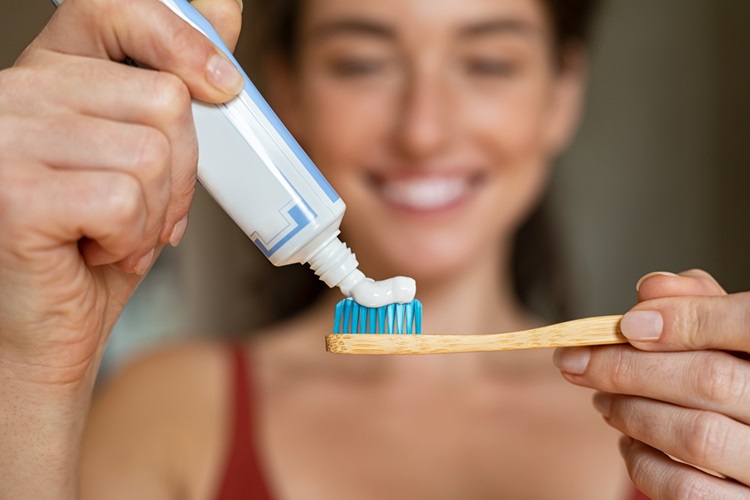
Brushing with hydroxyapatite sends millions of tiny repair crews to work. These particles hunt for weak spots, scratches, and early decay. They settle into damaged areas and bond permanently. Each brushing adds another thin layer of protection.
The process mimics and hastens natural tooth repair. Saliva normally delivers minerals gradually. Hydroxyapatite toothpaste provides teeth with needed elements at the right time. Temperature sensitivity often disappears first. Those zingers from hot coffee or cold water? They happen when enamel wears thin and exposes nerve pathways. Hydroxyapatite fills those pathways back in. The shield rebuilds. The pain stops.
Making the Switch
Companies like Ecofam now offer hydroxyapatite toothpaste that brings this technology to American bathrooms. Their formulas combine the mineral with complementary ingredients for comprehensive oral health. Users report noticeable changes within two weeks. Teeth feel smoother. That sandpaper texture from enamel erosion? Gone.
The paste looks different, though. Grayish white instead of bright white. No artificial colors are needed when the mineral itself provides the shade. The texture feels silkier, too. Less gritty than typical toothpaste. Some people say it’s like brushing with lotion. Weird at first, but teeth don’t complain.
Conclusion
Human teeth evolved using hydroxyapatite for good reason. The mineral provides exactly the right balance of hardness and flexibility. It resists acid while allowing microscopic flex to prevent cracking. Nature spent millions of years perfecting this formula. Now science can replicate nature’s solutions. Not improve it or replace it. Just copy it exactly. Feed teeth what they’re made of. Let them rebuild with their preferred construction material. The logic seems obvious in hindsight.
The rest of the world has already caught on. American teeth deserve the same advantage. After all, teeth know hydroxyapatite better than any other mineral. They’re literally made of the stuff. Maybe giving them more of what they already know makes more sense than forcing foreign substitutes to do the job.